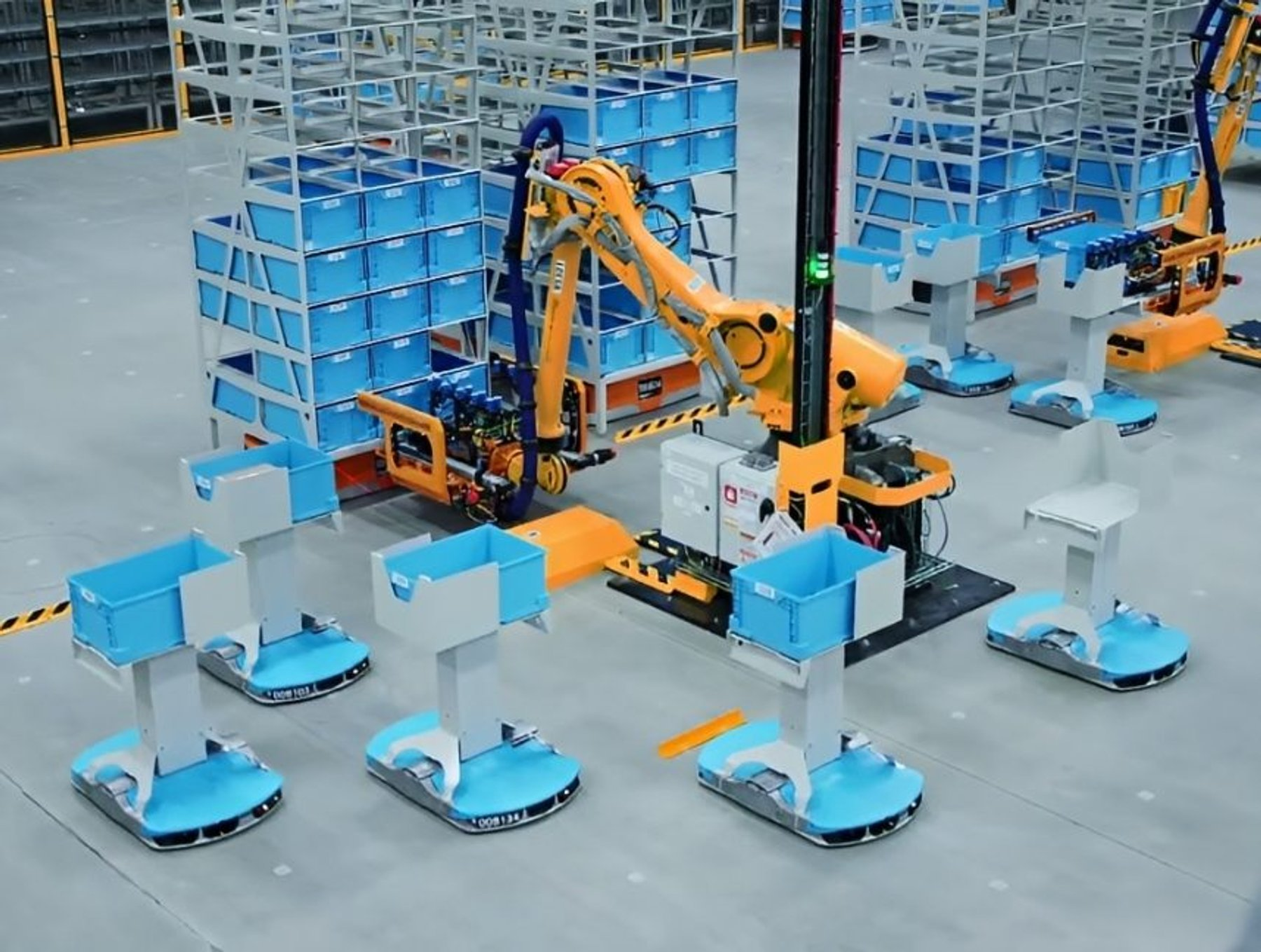
For Amazon sellers looking to improve efficiency, https://www.neonpanel.com/logistics-automated-fba highlights how logistics automation can simplify Fulfillment by Amazon (FBA) operations. As eCommerce businesses grow, manually tracking shipments, inventory, landed costs, and warehouse movements becomes increasingly difficult. Automation helps sellers reduce errors, save time, and maintain better visibility across the entire supply chain.
Modern Amazon businesses often manage inventory across suppliers, third-party logistics (3PL) warehouses, and multiple Amazon fulfillment centers. Without an automated system, keeping these operations synchronized can become a major challenge. Logistics automation addresses this issue by connecting inventory movement, accounting, and fulfillment into one streamlined workflow. NeonPanel, for example, automates FBA shipment tracking, landed cost allocation, and inventory management to provide sellers with a more accurate operational view.
Why Logistics Automation Matters
Amazon FBA offers sellers access to Amazon’s global fulfillment network, but managing inbound shipments and inventory still requires careful planning. Businesses must monitor purchase orders, freight, customs, warehouse transfers, and inventory availability before products reach customers.
Automation eliminates many repetitive manual tasks by automatically importing shipment information, updating inventory balances, and synchronizing operational data. This allows sellers to spend more time growing their business instead of maintaining spreadsheets and manually reconciling records. NeonPanel automatically imports FBA inbound shipment data from Amazon Seller Central and uses it to track inventory movement and cost allocation.
Better Inventory Visibility
Inventory visibility is one of the biggest advantages of automated logistics. Instead of relying on outdated reports, businesses can monitor inventory across FBA warehouses, AWD, 3PL facilities, and goods in transit.
Having real-time inventory information makes it easier to avoid stockouts while preventing unnecessary overstocking. Sellers can also forecast replenishment needs more accurately, improving cash flow and customer satisfaction.
Shipment-level tracking provides greater operational clarity because businesses know exactly where inventory is located and which shipments may be delayed. This improves planning and minimizes disruptions throughout the supply chain.
Automated Landed Cost Management
Understanding the true cost of inventory is essential for measuring profitability. Product cost alone does not provide a complete financial picture. Freight charges, customs duties, inspections, brokerage fees, and other transportation expenses all contribute to landed cost.
Automation simplifies this process by allocating these expenses directly to inventory items instead of requiring manual calculations. NeonPanel automatically distributes landed costs across inventory batches and applies FIFO-based cost accounting when products are sold. This provides more accurate Cost of Goods Sold (COGS) calculations and profitability reporting.
Improved Financial Accuracy
Logistics and accounting are closely connected. Every inventory movement affects financial reporting, making accurate inventory data essential for reliable accounting.
An automated logistics platform keeps inventory records synchronized with accounting systems, reducing reconciliation work and minimizing costly mistakes. Journal entries, inventory movements, settlements, and fees can be organized automatically, creating cleaner financial records and simplifying month-end closing processes.
Increased Operational Efficiency
As businesses expand into multiple marketplaces, operational complexity increases rapidly. Automation allows sellers to manage growing order volumes without significantly increasing manual workload.
Instead of tracking shipments individually or updating inventory manually, businesses receive continuous updates throughout the fulfillment process. Automated workflows improve communication between purchasing, logistics, warehouse operations, and finance teams while reducing administrative effort.
This increased efficiency allows businesses to scale more confidently while maintaining operational accuracy.
Supporting Long-Term Growth
Successful Amazon sellers understand that growth depends on more than increasing sales. Strong operational systems create the foundation for sustainable expansion. Businesses that automate inventory tracking, shipment monitoring, and financial reporting are better equipped to manage larger product catalogs and more complex supply chains.
Automation also provides valuable insights into inventory performance, shipment timelines, and profitability, helping managers make informed strategic decisions.
Conclusion
Efficient logistics management has become essential for modern Amazon FBA businesses. Automation reduces manual work, improves inventory visibility, simplifies landed cost accounting, and strengthens financial reporting across the entire supply chain.
Solutions like NeonPanel demonstrate how automated logistics can streamline FBA operations by integrating shipment tracking, inventory management, FIFO costing, and accounting into one unified platform. For sellers seeking greater efficiency and long-term scalability, adopting logistics automation is an investment that can improve both operational performance and business profitability.