The phrase japan doll captures a remarkable story of tradition, craftsmanship, and modern reinvention. For generations, dolls in Japan have symbolized protection, celebration, artistry, and cultural pride. From sacred ritual objects to finely crafted collectibles admired around the world, the japan doll remains one of the most distinctive expressions of Japanese heritage.
Ancient Origins and Cultural Foundations
The roots of the japan doll trace back to early spiritual practices. In ancient Japan, simple human-shaped figures made from straw or paper were used in purification ceremonies. These dolls symbolically absorbed illness or bad fortune and were later released into rivers to carry away misfortune. This early use established the doll as a protective symbol.
As centuries passed, doll-making became more refined. During the Heian and Edo periods, aristocratic families displayed decorative dolls that reflected court life and social hierarchy. The japan doll gradually evolved from a temporary ritual item into a permanent artistic treasure. These dolls represented elegance, refinement, and harmony within the household.
Celebrations That Preserve the Japan Doll
Traditional festivals continue to keep the japan doll deeply rooted in family life. The most famous is Hina Matsuri, celebrated every March 3rd. Families display tiered arrangements of court dolls dressed in elaborate silk costumes. The emperor and empress dolls are placed at the top, followed by attendants and musicians. Each figure carries symbolic meaning, expressing wishes for health, happiness, and prosperity.
Another important celebration is Children’s Day, observed on May 5th. During this time, families may display warrior dolls that represent courage and determination. Through these seasonal displays, the japan doll becomes a powerful symbol of love and hope passed down through generations.
Traditional Craftsmanship and Regional Identity
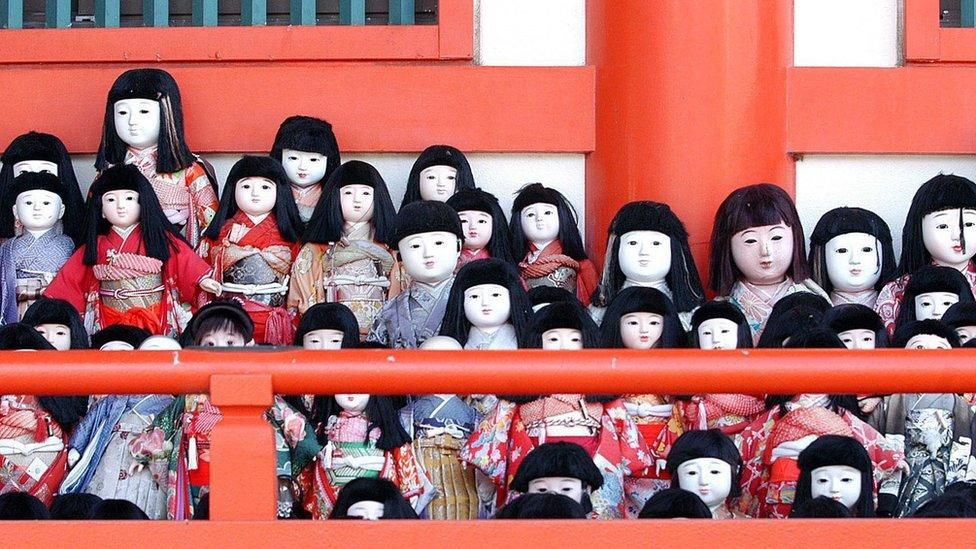
Creating a traditional japan doll requires exceptional patience and expertise. Skilled artisans carve wooden bases or mold clay forms before applying layers of natural materials. The doll’s face is often coated with a fine white finish made from crushed oyster shells, creating a smooth and luminous appearance. Delicate hand-painted details give each doll a serene expression.
The clothing is equally impressive. Miniature kimono are sewn using authentic textile methods, with carefully arranged folds and patterns. Hairstyles are shaped using silk threads to replicate historical accuracy.
Regional styles add diversity to the japan doll tradition. Kokeshi dolls, for example, are known for their simple wooden bodies and painted floral patterns. In contrast, Kyoto-style dolls are famous for intricate fabrics and highly detailed facial features. This regional variation enriches the cultural landscape of Japanese doll-making.
Modern Japan Doll Culture
In the 20th and 21st centuries, the japan doll expanded beyond traditional themes. The growth of Japanese animation and gaming introduced character-based dolls and figures to a global audience. Popular series such as Attack on Titan and My Hero Academia inspired collectible figures that combine artistic sculpting with advanced manufacturing.
Modern dolls are often made from resin or vinyl, allowing for realistic skin tones, expressive poses, and interchangeable accessories. Limited-edition releases attract collectors worldwide, and online communities provide spaces for enthusiasts to share customization projects and display ideas.
Despite modern influences, many contemporary artists continue to incorporate classical aesthetics. This blending of old and new keeps the japan doll tradition dynamic and relevant.
The Japan Doll as Art and Investment
Today, the japan doll is recognized not only as a cultural artifact but also as fine art. Museums display antique festival dolls alongside modern creations, emphasizing their historical importance and technical excellence. Master doll makers are sometimes honored for preserving traditional methods, ensuring that craftsmanship survives in future generations.
Collectors often view rare dolls as investments. Antique pieces from earlier historical periods can hold significant value, while limited modern editions may appreciate over time. Proper care—such as climate-controlled storage and protection from sunlight—is essential for maintaining both beauty and worth.
Enduring Global Appeal
The japan doll continues to captivate audiences because it represents more than a figure—it represents storytelling in miniature form. Every detail, from fabric folds to painted expressions, reflects patience and artistic devotion. Whether traditional or modern, each japan doll embodies creativity, cultural memory, and emotional meaning.
As global interest in Japanese culture grows, the japan doll remains a timeless symbol of craftsmanship and imagination. Its journey from sacred ritual object to worldwide collectible highlights the enduring power of art to connect generations, cultures, and communities through beauty and precision.