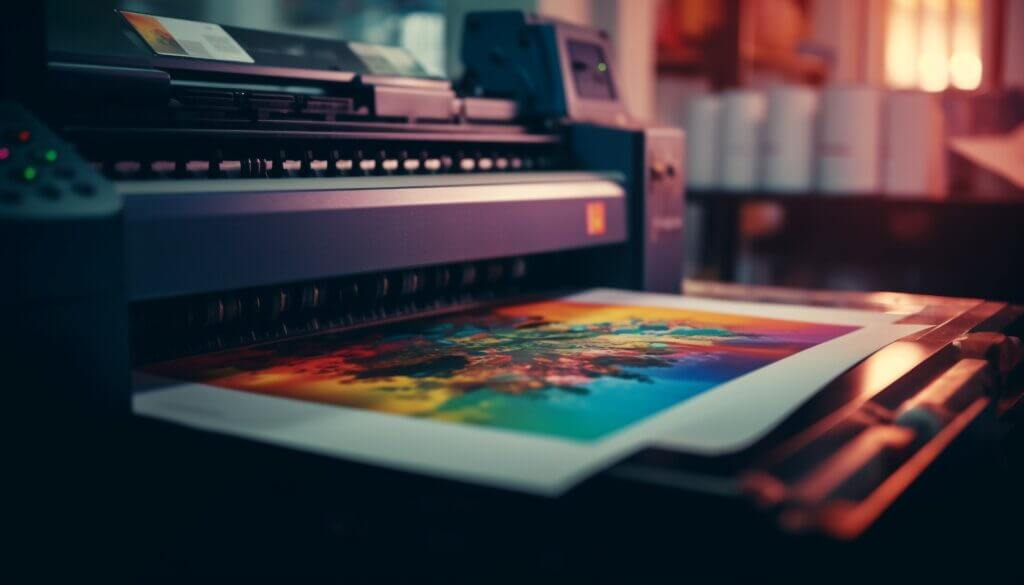
The global push toward net-zero manufacturing has forced every industrial sector to reevaluate its environmental impact, and the graphic arts and manufacturing space is no exception. For years, the Achilles’ heel of printing was its reliance on volatile petrochemicals, heavy energy consumption, and single-use plastics.
Today, a quiet green revolution is turning the traditional pressroom into a circular, eco-optimized hub. Sustainability is no longer just a marketing buzzword or an optional upgrade; it is the core driver of modern printing innovation.
The Chemical Shift: Beyond Petroleum
For decades, standard lithographic and offset processes depended on petroleum-based solvents and inks laden with volatile organic compounds (VOCs). When these inks dried, they released harmful gases into the atmosphere and complicated paper recycling streams.
The modern eco-conscious press relies on entirely different chemistry:
- Algae and Plant-Based Pigments: Innovations in bio-pigments have introduced inks derived from algae, soybeans, flax, and walnuts. These natural formulations drastically reduce carbon footprints and degrade naturally without leaving toxic residues in the soil.
- Water-Based and UV-Curable Coatings: Aqueous coatings replace solvent varnishes, offering a glossy or matte finish using water as the primary carrier. Meanwhile, LED-UV curing hardens ink instantly via intense light rather than heat evaporation, eliminating ozone emissions and cutting energy usage by up to half.
Substrate Stewardship: Rethinking the Canvas
The paper supply chain has also undergone a radical ethical transformation. Responsible sourcing is now verified through rigorous international standards like the Forest Stewardship Council (FSC) and the Programme for the Endorsement of Forest Certification (PEFC).
Beyond traditional wood pulp, alternative non-tree fibers are reshaping sustainable printing:
- Agricultural Residue Papers: Papers made from wheat straw, bagasse (sugarcane waste), hemp, and kenaf utilize the leftovers of food production, requiring zero additional deforestation.
- Stone Paper: Composed of calcium carbonate bound with non-toxic resin, stone paper requires no water, trees, or bleach to produce, creating a velvety, water-resistant sheet that degrades under sunlight.
- Recycled Closed Loops: Modern de-inking technologies use high-efficiency enzymatic processes to remove toner and ink from waste paper without damaging the underlying cellulose fibers, allowing paper to be recycled significantly more times before breaking down.
Energy Efficiency and Smart Factory Operations
Sustainability in printing extends far beyond the materials used—it encompasses the entire operational workflow of the facility. Smart manufacturing principles have entered the print floor to eliminate waste before it happens.
Automated prepress software optimizes paper layout to minimize trim waste, while AI-driven press calibration reduces the test sheets required to achieve correct color density. Facilities are retrofitting their rooftops with solar arrays and utilizing heat-recovery systems that capture thermal energy from drying units to heat the entire manufacturing plant.
The Path Forward
The future belongs to a regenerative model where printing gives back more than it takes. By combining bio-derived inks, alternative fiber stocks, and carbon-neutral production floors, the industry proves that high-performance visual communication and ecological stewardship can coexist on the same page.