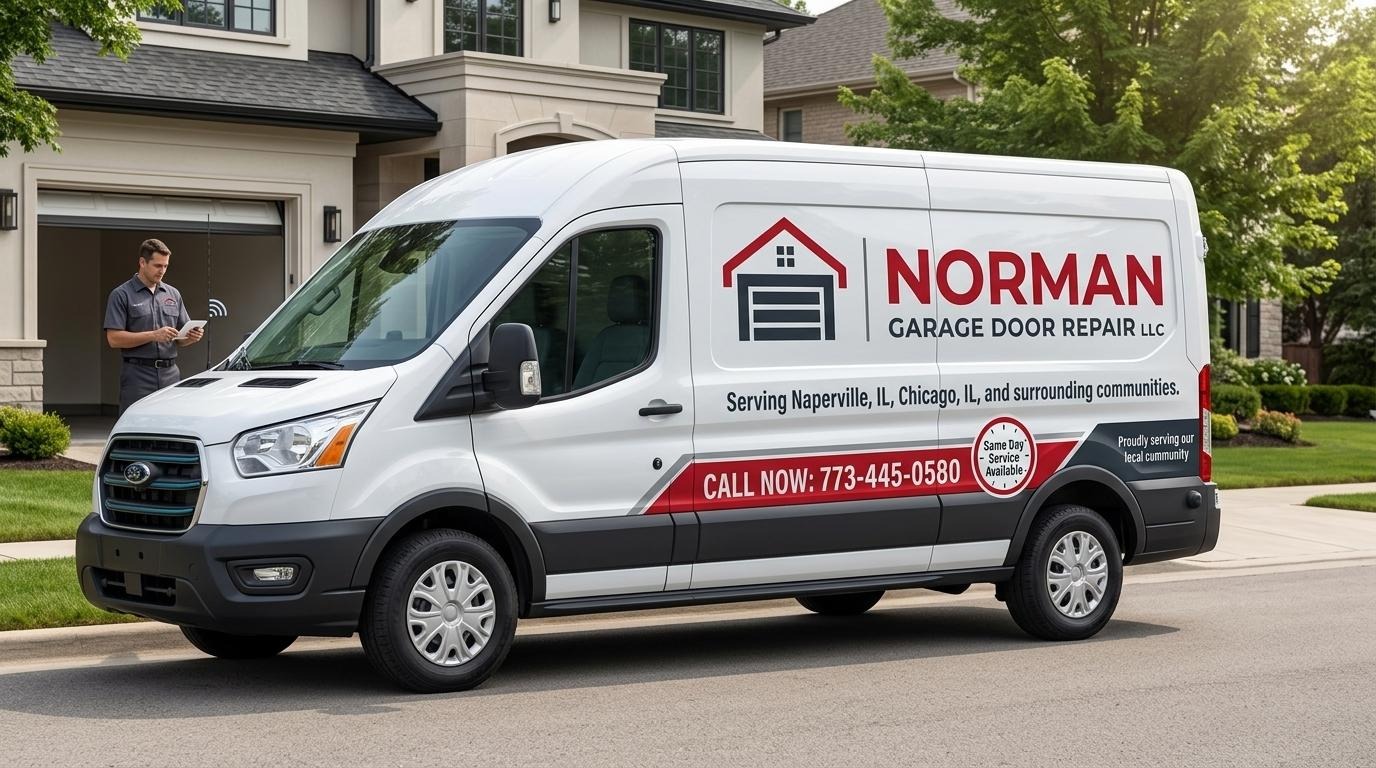
Your garage door is easily one of the hardest-working mechanical systems in your home. Opening and closing several times a day, it acts as a primary entrance, a key barrier for home security, and a major factor in your home’s overall curb appeal. Because we rely on it so heavily, it is easy to take a smoothly operating garage door for granted—right up until the moment it stops working.
When a garage door malfunctions, it isn’t just an inconvenience that leaves your vehicle trapped or your home exposed. It can also present serious safety hazards. Understanding how your door functions, recognizing the early warning signs of trouble, and knowing when to call experts like Norman Garage Door Repair LLC will help you keep your garage operating safely and reliably for years to come.
Common Signs Your Garage Door Needs Attention
Garage doors rarely fail completely without warning. Most of the time, they send clear signals that internal components are wearing out or falling out of alignment. Paying attention to these early warning signs can save you from costly emergency repairs down the road.
- Unusual Loud Noises: While no overhead door is completely silent, grinding, squeaking, or scraping sounds often indicate worn-out rollers, dry hinges, or a strained motor.
- Slow or Jerky Movement: If the door hesitates, stutters during operation, or takes significantly longer to open than usual, the opener’s drive mechanism or springs may be failing.
- Uneven Opening or Sagging: A door that looks crooked while moving or fails to seal evenly against the floor usually has a stretched cable, uneven track, or unbalanced spring tension.
- The Door Won’t Stay Open: If you manually lift the door halfway and it immediately falls back down, your torsion or extension springs have lost their tension and can no longer balance the door’s weight.
Why DIY Repairs Can Be Dangerous
It’s tempting to handle home repairs yourself, but garage doors are one area where DIY attempts can quickly turn hazardous. Standard residential garage doors weigh anywhere from 150 to over 300 pounds. The mechanism that allows you to lift that heavy door effortlessly relies on high-tension springs and steel cables.
Safety Warning: Garage door springs store immense mechanical energy. Attempting to untighten, replace, or repair torsion springs without proper training and specialized tools can lead to severe injury or significant property damage.
Beyond safety risks, modern garage doors incorporate complex electronic sensors, track alignment tolerances, and motor calibrations. A minor mistake during a self-repair can lead to track misalignments, burnt-out opener motors, or a door that reverses unexpectedly.
Choosing the Right Local Repair Professional
When issues arise, finding a dependable technician makes all the difference. You want a service provider that arrives promptly, accurately diagnoses the root cause of the problem, and uses high-grade replacement parts designed to last.
If you are a homeowner searching for trustworthy Garage Door Repair in Naperville, look for service providers who prioritize:
- Transparent Pricing: Clear, upfront estimates before work begins, with no hidden fees for basic diagnostic checks.
- Quality Replacement Parts: High-cycle springs, heavy-duty steel or nylon rollers, and commercial-grade cables that withstand daily wear and tear.
- Comprehensive Diagnostics: Technicians who don’t just fix the obvious symptom, but inspect the tracks, balance, sensors, and opener system as a whole.
- Fast Emergency Response: Malfunctions rarely happen on a convenient schedule. Reliable professionals offer prompt response times to secure your home quickly.
Simple Preventive Maintenance You Can Do Today
While heavy mechanical work should always be left to certified technicians, there are several simple maintenance tasks homeowners can perform every few months to extend the life of their door:
- Visual Inspection: Look over the tracks, rollers, hinges, and cables for signs of rust, fraying, or excessive wear.
- Lubricate Moving Parts: Apply a light coat of silicone or lithium-based garage door lubricant to rollers, hinges, and springs. Avoid using thick grease or standard WD-40, which can attract dirt and dust build-up.
- Test the Auto-Reverse Feature: Place a piece of wood or a solid object on the ground directly in the door’s path. Close the door using the wall button. The moment the door touches the object, it should immediately stop and reverse. If it doesn’t, the safety sensors or opener force settings need professional recalibration.
- Keep the Tracks Clean: Clear dirt, leaves, and debris out of the metal tracks using a damp cloth. Never grease the inside of the tracks, as this causes rollers to slip rather than turn smoothly.
Final Thoughts
A well-maintained garage door ensures convenience, protects your family, and maintains your home’s structural security. By staying proactive with routine checks and contacting qualified professionals at the first sign of mechanical distress, you can ensure your garage door operates smoothly and safely in every season.